Domain stückpreis.de kaufen?
Wir ziehen mit dem Projekt
stückpreis.de um.
Sind Sie am Kauf der Domain
stückpreis.de interessiert?
domain@kv-gmbh.de · 0541-91531010
Domain stückpreis.de kaufen?
Was ist die Bedeutung von "Angst 1570"?
"Angst 1570" bezieht sich auf das Jahr 1570, in dem der Begriff "Angst" erstmals in der deutschen Sprache verwendet wurde. Es zeigt die historische Entwicklung und Verwendung des Begriffs und verdeutlicht, dass Angst ein grundlegendes menschliches Gefühl ist, das schon seit langer Zeit existiert. **
Wie lautet die Rechnung für "make or buy" mit Skonto und Rabatt?
Die Rechnung für "make or buy" mit Skonto und Rabatt hängt von den spezifischen Bedingungen des Angebots ab. In der Regel wird der Skonto vom Gesamtbetrag abgezogen, bevor der Rabatt angewendet wird. Es ist wichtig, die genauen Konditionen des Skontos und Rabatts zu kennen, um die korrekte Rechnung durchführen zu können. **
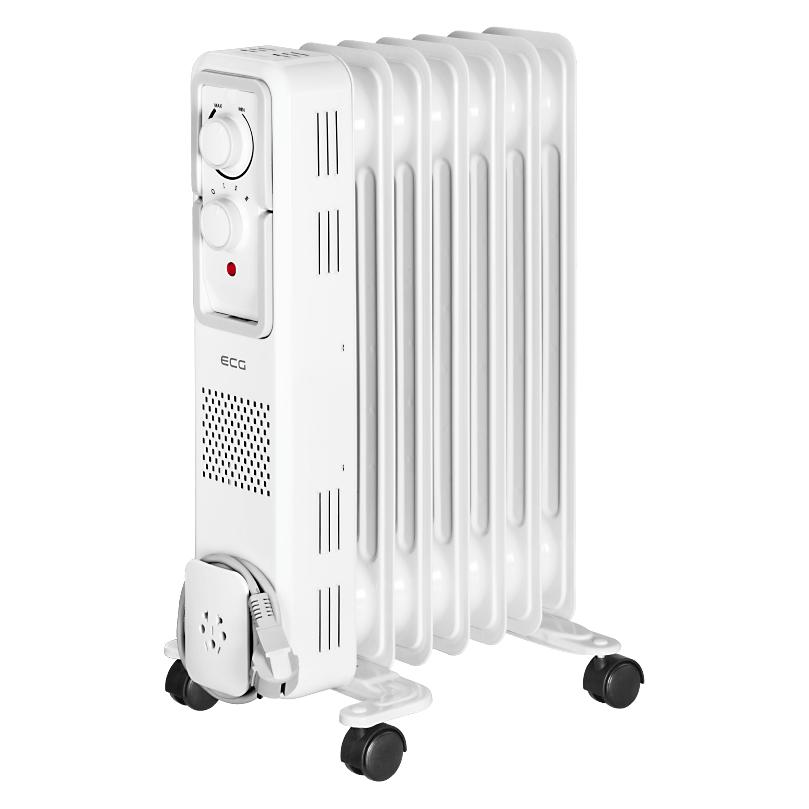
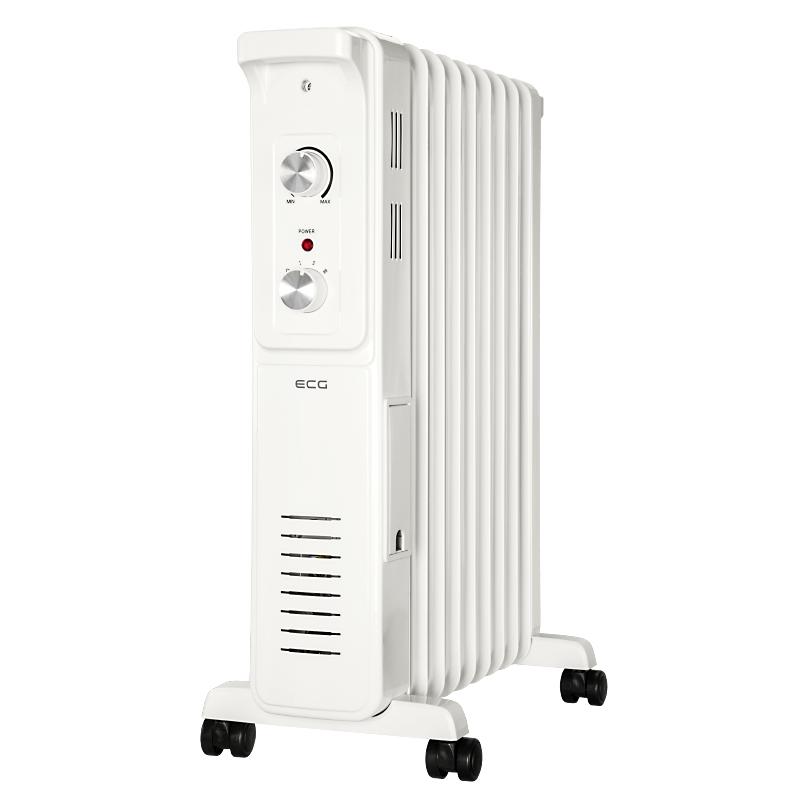
Ähnliche Suchbegriffe für ECG-Heizkörper-EKG-OR-1570
Top-Angebote
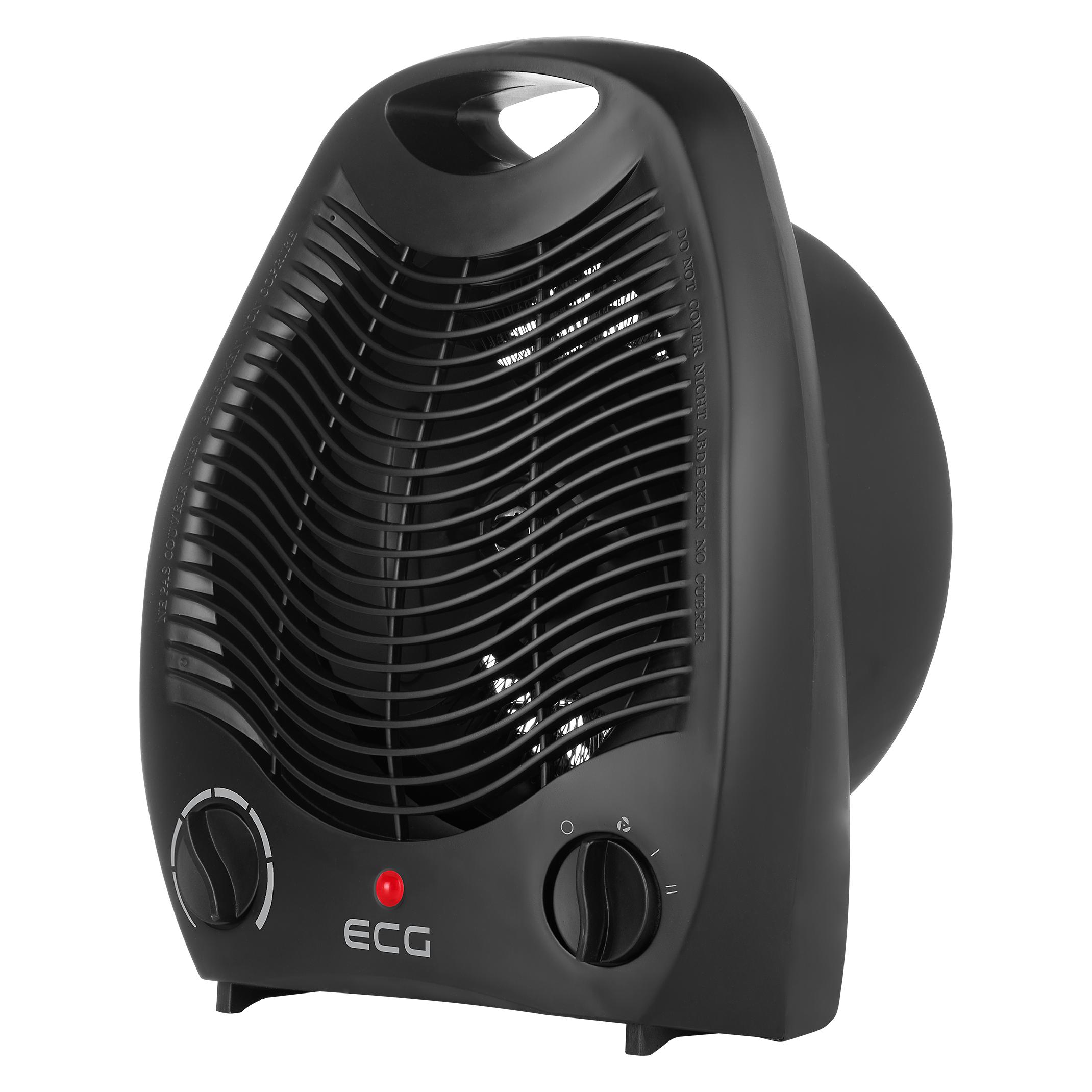
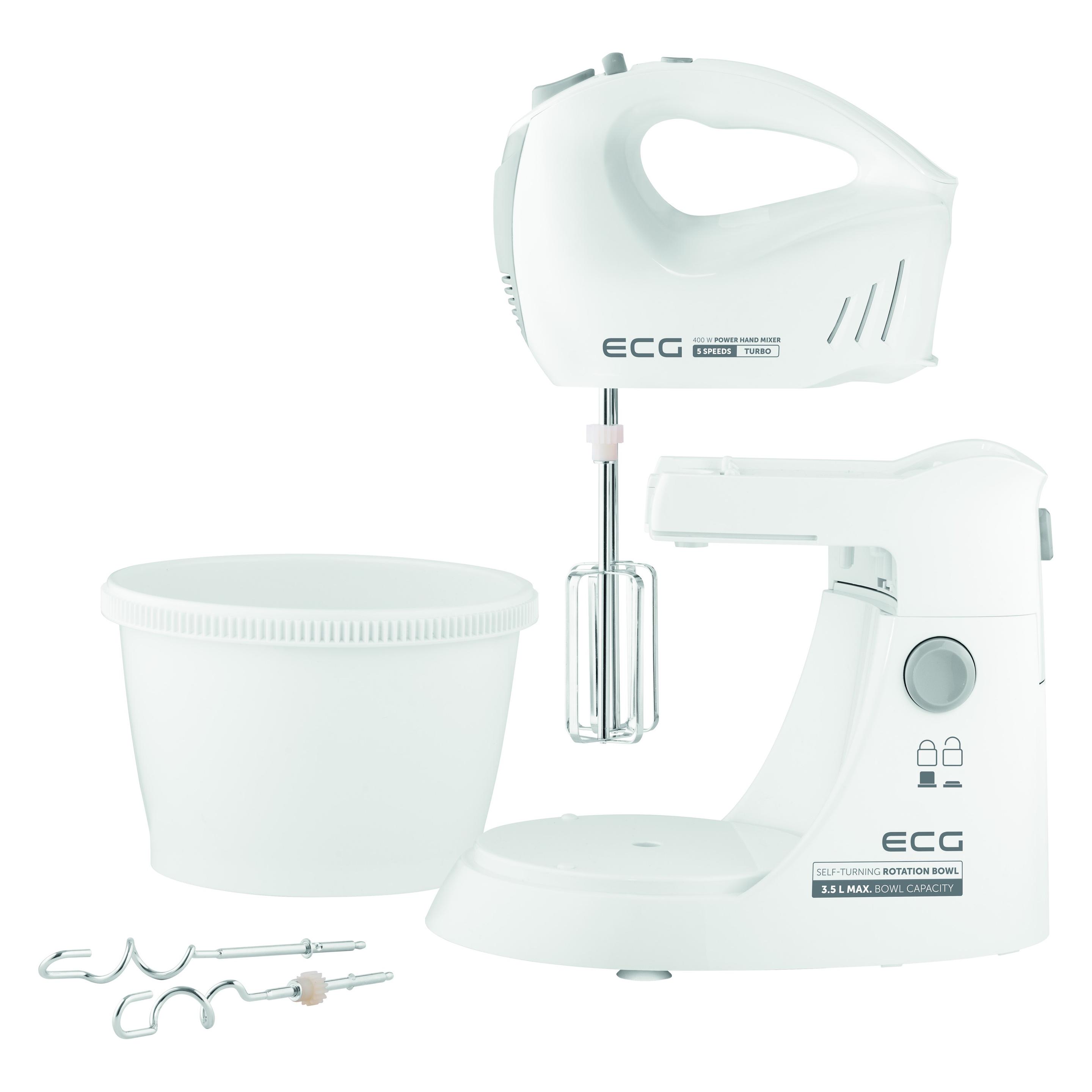
Produkte zum Begriff ECG-Heizkörper-EKG-OR-1570:

-
Travelling or traveling?
Both "travelling" and "traveling" are correct spellings of the word, but they are used in different regions. "Travelling" is more commonly used in British English, while "traveling" is more commonly used in American English. **
-
Cake or fake?
It depends on the context. If you are asking about a choice between eating cake or something that is not real, then cake would be the preferred option. However, if you are asking about the authenticity of something, then fake would imply that it is not genuine or real. **
-
Do or make?
The choice between "do" and "make" depends on the context and the specific action being referred to. "Do" is generally used for activities or actions that involve performing or carrying out something, while "make" is used for creating or producing something tangible. For example, you would say "do your homework" but "make a cake." **
-
Will or gonna?
"Will" and "gonna" are both used to express future actions, but there are slight differences in their usage. "Will" is more formal and is used in more formal situations, while "gonna" is a more informal and colloquial way of expressing future actions. **
Doesn't or don't?
The correct form to use depends on the subject of the sentence. "Doesn't" is used with singular subjects, while "don't" is used with plural subjects. For example, "He doesn't like coffee" (singular subject) and "They don't like coffee" (plural subject). **
Do or does?
The choice between "do" and "does" depends on the subject of the sentence. "Do" is used with plural subjects and "does" is used with singular subjects. For example, "They do their homework" and "She does her homework." **
Top-Angebote
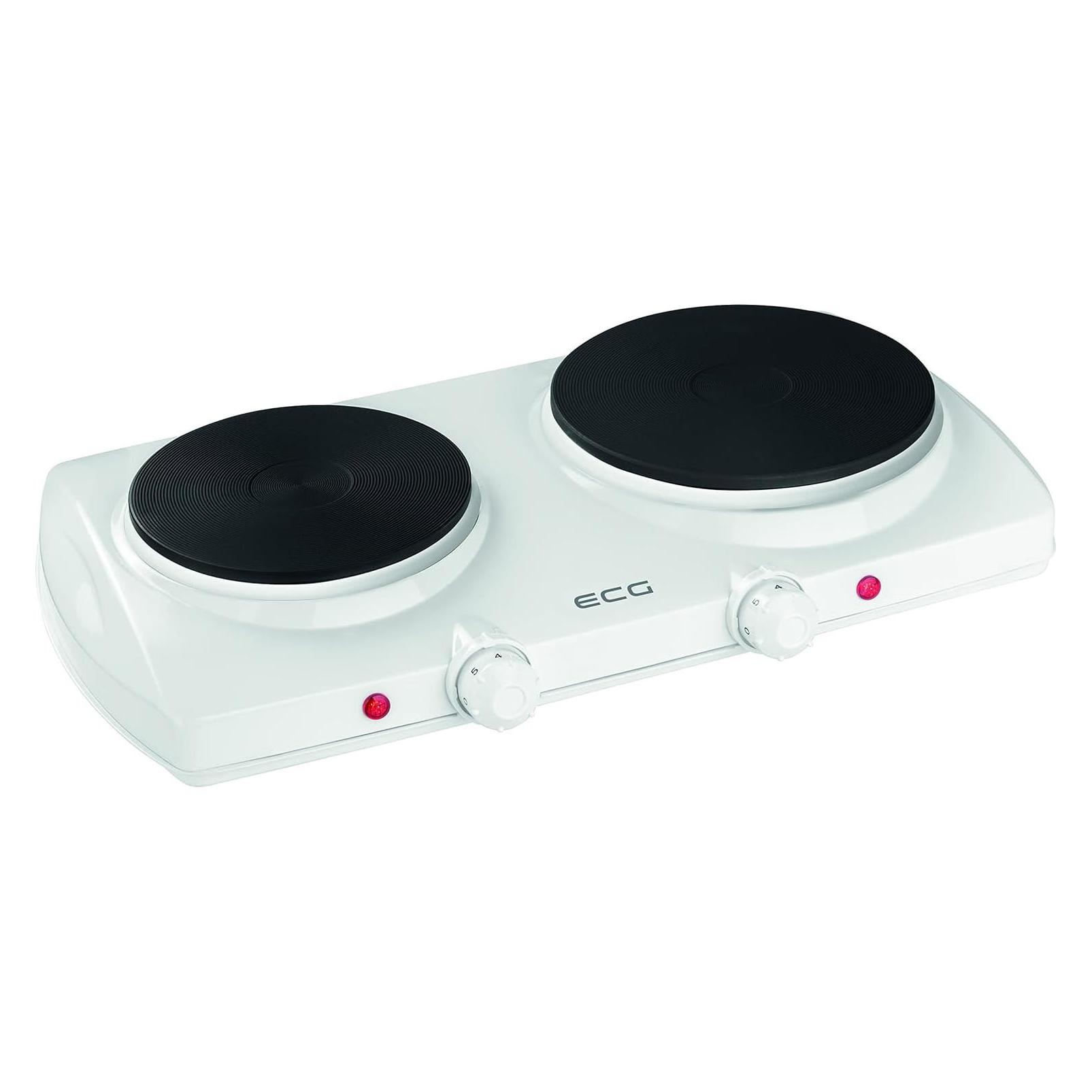
Produkte zum Begriff ECG-Heizkörper-EKG-OR-1570:
-
Was ist die Bedeutung von "Angst 1570"?
"Angst 1570" bezieht sich auf das Jahr 1570, in dem der Begriff "Angst" erstmals in der deutschen Sprache verwendet wurde. Es zeigt die historische Entwicklung und Verwendung des Begriffs und verdeutlicht, dass Angst ein grundlegendes menschliches Gefühl ist, das schon seit langer Zeit existiert. **
-
Wie lautet die Rechnung für "make or buy" mit Skonto und Rabatt?
Die Rechnung für "make or buy" mit Skonto und Rabatt hängt von den spezifischen Bedingungen des Angebots ab. In der Regel wird der Skonto vom Gesamtbetrag abgezogen, bevor der Rabatt angewendet wird. Es ist wichtig, die genauen Konditionen des Skontos und Rabatts zu kennen, um die korrekte Rechnung durchführen zu können. **
-
Travelling or traveling?
Both "travelling" and "traveling" are correct spellings of the word, but they are used in different regions. "Travelling" is more commonly used in British English, while "traveling" is more commonly used in American English. **
-
Cake or fake?
It depends on the context. If you are asking about a choice between eating cake or something that is not real, then cake would be the preferred option. However, if you are asking about the authenticity of something, then fake would imply that it is not genuine or real. **
Ähnliche Suchbegriffe für ECG-Heizkörper-EKG-OR-1570
-
Do or make?
The choice between "do" and "make" depends on the context and the specific action being referred to. "Do" is generally used for activities or actions that involve performing or carrying out something, while "make" is used for creating or producing something tangible. For example, you would say "do your homework" but "make a cake." **
-
Will or gonna?
"Will" and "gonna" are both used to express future actions, but there are slight differences in their usage. "Will" is more formal and is used in more formal situations, while "gonna" is a more informal and colloquial way of expressing future actions. **
-
Doesn't or don't?
The correct form to use depends on the subject of the sentence. "Doesn't" is used with singular subjects, while "don't" is used with plural subjects. For example, "He doesn't like coffee" (singular subject) and "They don't like coffee" (plural subject). **
-
Do or does?
The choice between "do" and "does" depends on the subject of the sentence. "Do" is used with plural subjects and "does" is used with singular subjects. For example, "They do their homework" and "She does her homework." **
* Alle Preise verstehen sich inklusive der gesetzlichen Mehrwertsteuer und ggf. zuzüglich Versandkosten. Die Angebotsinformationen basieren auf den Angaben des jeweiligen Shops und werden über automatisierte Prozesse aktualisiert. Eine Aktualisierung in Echtzeit findet nicht statt, so dass es im Einzelfall zu Abweichungen kommen kann. ** Hinweis: Teile dieses Inhalts wurden von KI erstellt.